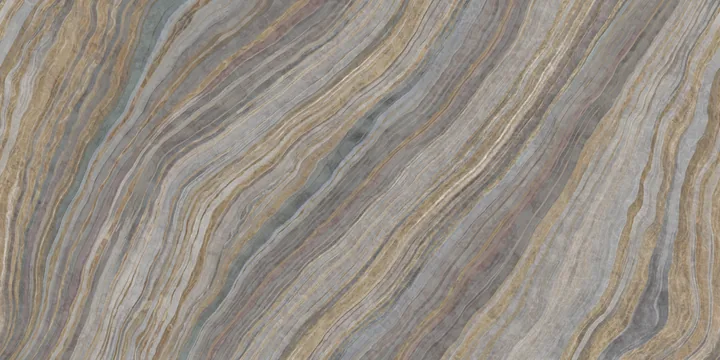
Every slab here is a single piece with its own serial, its own dimensions and its own
photograph. We supply the material; your fabricator templates, cuts and installs it.
Slabs
10 slabs
Counted twice a day; call before
travelling.
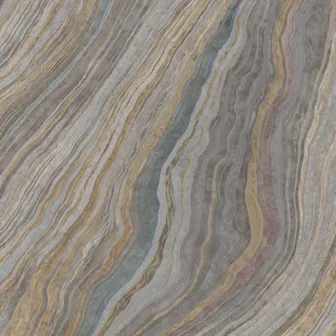
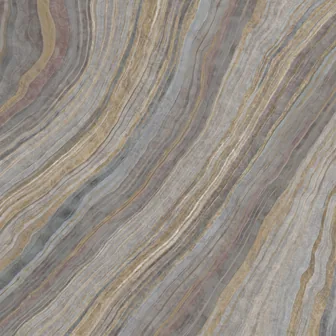
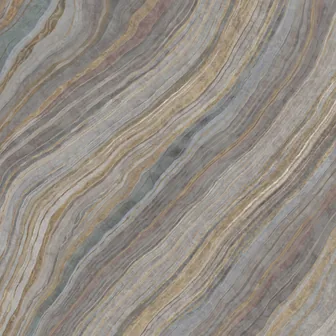
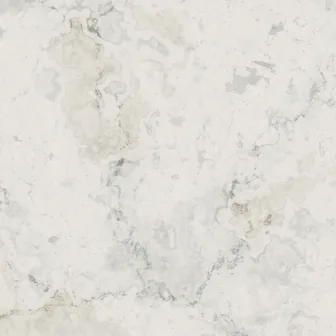
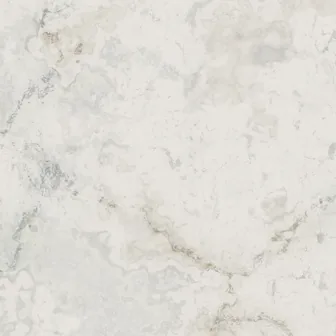
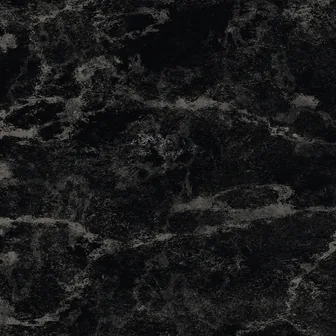
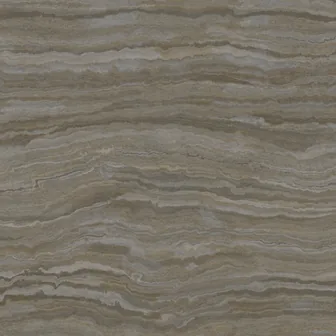
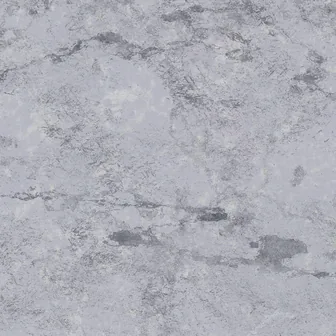
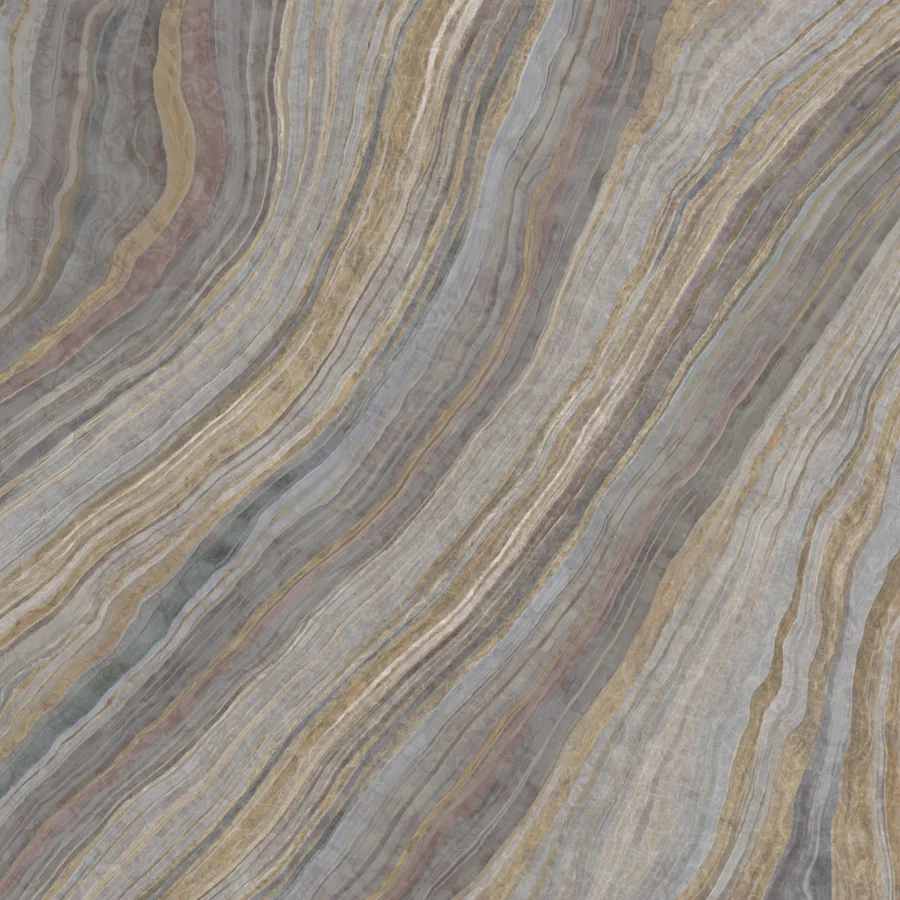
Every plate is a detail crop 300 mm across the real stone,
drawn at 1.79 mm per pixel. The full-piece photograph is on the slab's own page.
Your filters travel with that message, and a buyer reads it the same
morning. Blocks arriving in the next eight weeks are not in this list yet.
Slab VS-4412-02 · lot B-1187 · Newark
Onice Cascata
Onyx, polished, 20 mm.
2965 × 1600 mm gross; 4.31 m² net of the two cracked corners.
Sold on 8 September
This slab left the yard. The page stays up: fabricators write this serial onto drawings that
outlive the slab. Two sequential cuts from the same block are still here:
VS-4412-03, 2940 × 1585 mm, held until Sunday 17:00.
Lot B-1240, six slabs off a second block, docks at Newark in the week of 20 October.
A different block is a different stone; ask for photographs when it lands.
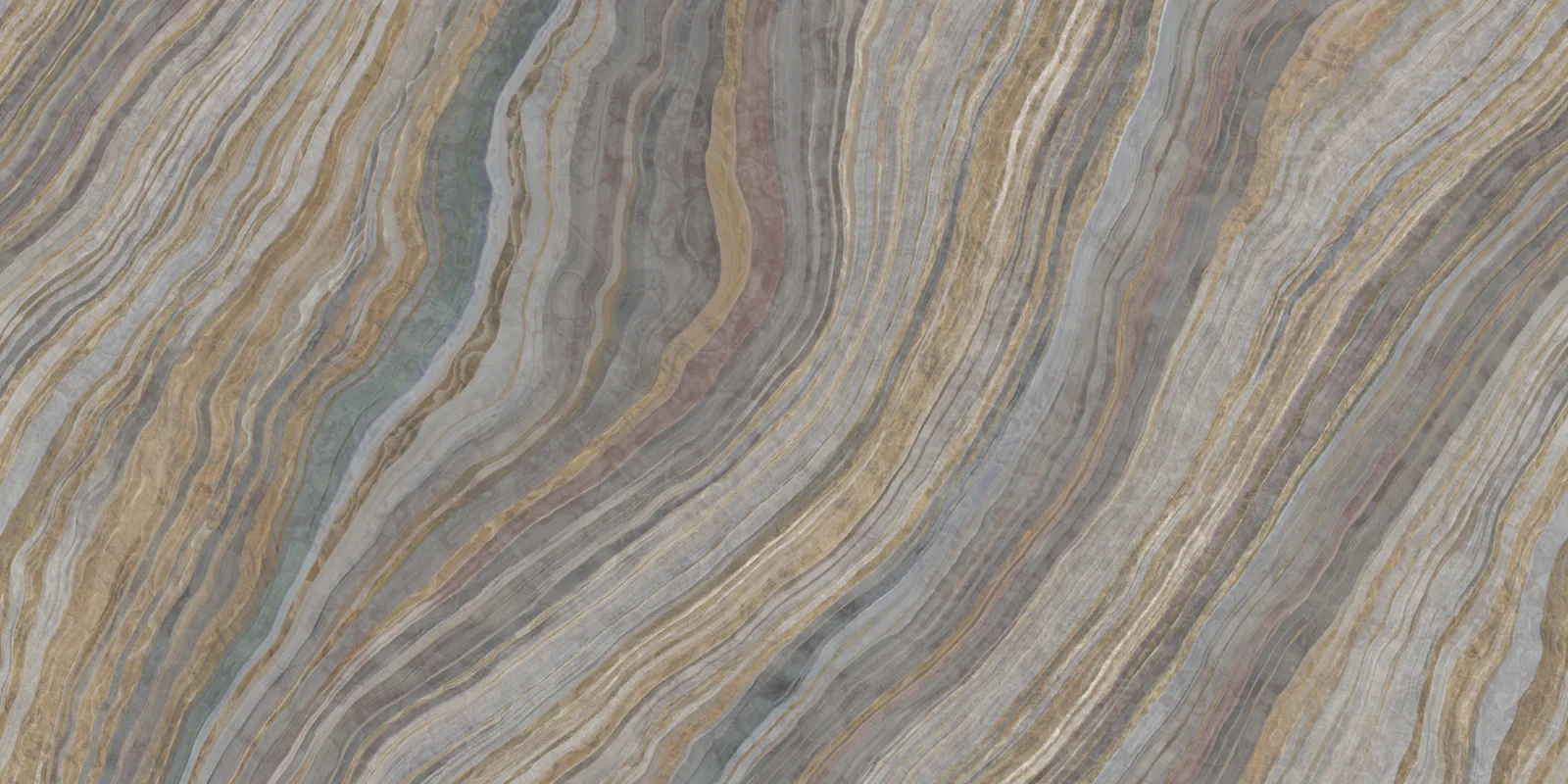
Full slab, 2965 × 1600 mm1.85 mm per pixel at full width
Detail, 300 mm across0.33 mm per pixel
What this slab is
Material
Onice Cascata
Class
Onyx, a banded calcite
Finish
Polished, both faces flat
Format
Slab, 2965 × 1600 × 20 mm
Backing
Fibreglass mesh on the reverse, applied at the quarry
Quarry
Fars, Iran. Block 1187, cut March 2026
Variation: substantial. Onyx forms in bands, and those bands
run out of the block rather than repeating. Pieces vary in colour and in the direction of
the layering, and two slabs from one block differ where the saw fell. A sample shows one
piece and is not the range. Order everything you need from one lot at one time; a later
lot will be a different block and will not match.
Availability and what to do next
Sold at NewarkLeft the yard
Available: 1 slab at Newark, rack C14Counted
A hold runs 72 hours, costs nothing and is on that one serial. Samples are
100 × 100 mm, free, and posted within two working days. Screens vary. These images
are colour-managed and ungraded, but the only accurate way to judge a stone is to hold it.
Specification
Tested on material from block 1187 by an independent laboratory, March 2026.
Property
Value
Test method
Petrographic name
Banded calcite onyx
ASTM C1721
Bulk density
2712 kg/m³
ASTM C97
Water absorption
0.31 %
ASTM C97
Compressive strength
81.4 MPa
ASTM C170
Flexural strength
9.8 MPa
ASTM C880
Abrasion resistance
Ha 11.2
ASTM C1353
DCOF, wet, polished
0.29
ANSI A137.1. Under the 0.42 minimum for a level interior floor walked on wet, so this finish is for vertical and dry horizontal work only.
Acid sensitivity
Etches on contact with citrus, wine and vinegar
Calcite. No test method; a property of the mineral.
Frost resistance
Not tested
We have no result for this stone. Do not specify it externally on that basis.
Reinforcement
Fibreglass mesh, full reverse face
Declared by the quarry, 12 March 2026
Formats and finishes
What Onice Cascata can be bought as, and whether it is in the yard now.
Format
Polished
Honed
Leathered
2900–3000 × 1600 × 20 mm
In the yard
Indent, 14–16 weeks
Not made
2900–3000 × 1600 × 30 mm
Indent, 14–16 weeks
Indent, 14–16 weeks
Not made
Cut to size, 20 mm
From a held slab
Indent, 16–18 weeks
Not made
Lot B-1187: three sequential cuts
Slabs 01, 02 and 03 came off block
1187 in order, so the banding carries across them and they can be book-matched. Slab 02 is
the one that sold.
Working yard with 900 slabs on A-frames, plus a lit viewing bay.
Steel toes required past the office.
Design notes
Shape of the page
A filtered index. A rail of filters against one list that fills the rest of the width.
On a narrow screen the filters fold into a single line and a row becomes a block of
specifications rather than eight columns to scroll sideways through.
What it leads with
The inventory. The table is the product and the photograph is a column in it. Each row
shows a close crop of the stone rather than the whole slab, because at the width of a
table cell a whole slab shows a colour and a crop shows the vein. The full piece sits on
the slab's own page, where there is room for it.
Spacing
The system's defaults, unchanged. A buyer compares rows, so the rows sit close and the
sections sit far apart.
The one bold decision
Every stock line carries the minute it was counted, and the times differ from row to
row, because a single figure at the top of a page is the one thing a buyer cannot check.
A sold slab keeps its page and points at the two sequential cuts behind it.
Where the colour comes from
Every colour and spacing step is taken from the system rather than sampled by eye. The
surround of a stone specimen is deliberately the one thing that does not change with the
theme: a material has to be judged against the same grey every time.
Readability, measured
The table's secondary text measures 7.34:1. The caption under a stone
specimen, on that fixed grey surround, measures 10.95:1, and
10.19:1 in the dark theme. Higher is easier to read, and 4.5 is the
accessibility floor.
Photographs
Every photograph is a real file rather than something embedded in the page, so a
browser can start drawing the stone before the whole page has arrived. On a page whose
subject is a photograph, that is the difference between fast and slow.
Where the stone came from
Scans published free of any copyright claim, resized and cropped and not otherwise
altered. Where each one came from is recorded beside them.